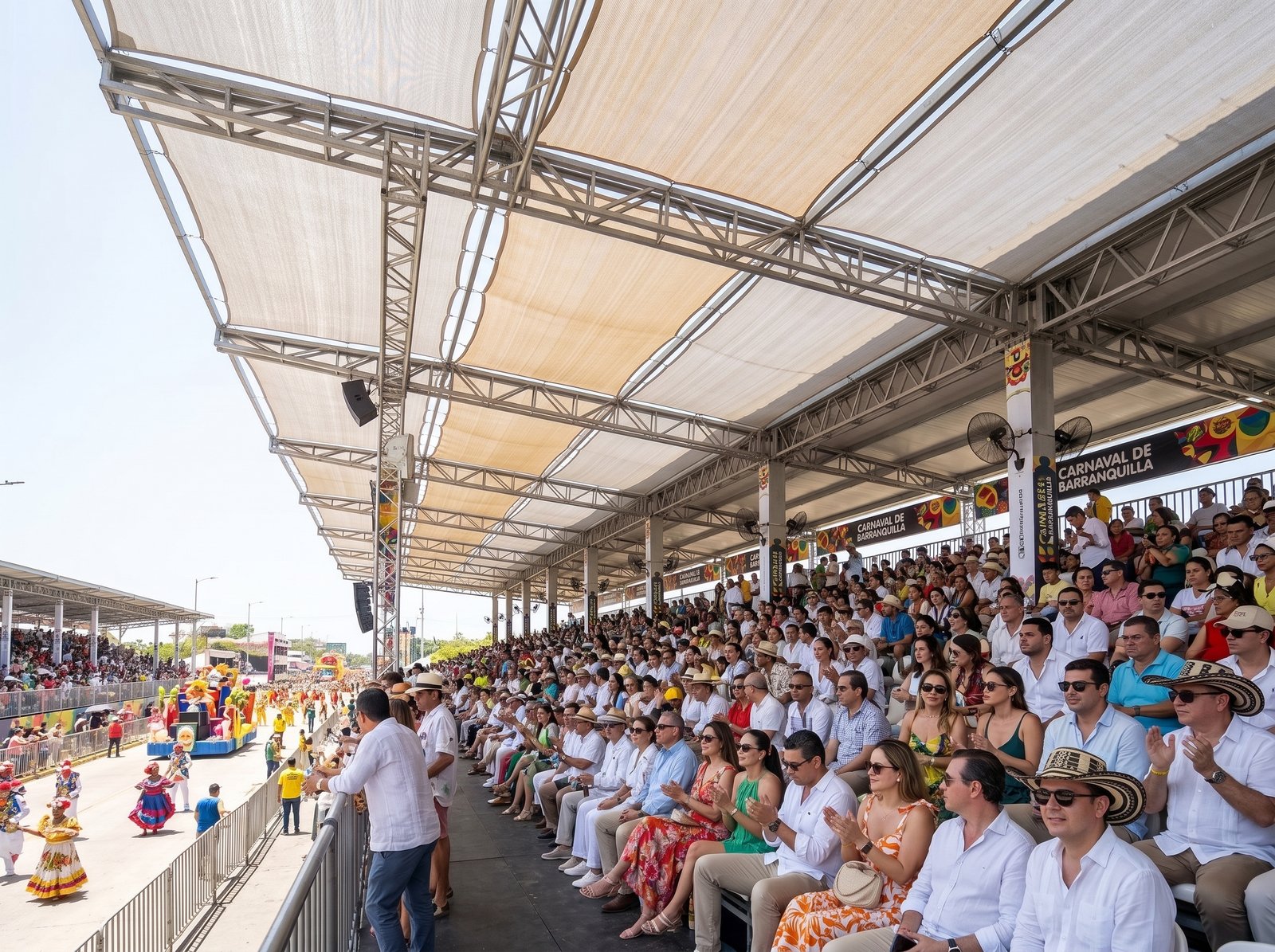
In November 2003, the United Nations Educational, Scientific and Cultural Organization (UNESCO) made a momentous declaration that forever elevated Colombia’s Caribbean coast on the world stage: it proclaimed the Barranquilla Carnival as a Masterpiece of the Oral and Intangible Heritage of Humanity.
To many casual tourists, carnival is simply a magnificent street party with loud music and cold drinks. But for anthropologists, historians, and mindful travelers, Barranquilla is a living, breathing open-air museum preserving 500 years of syncretic cultural survival. Here is the fascinating history behind South America's most culturally significant celebration.
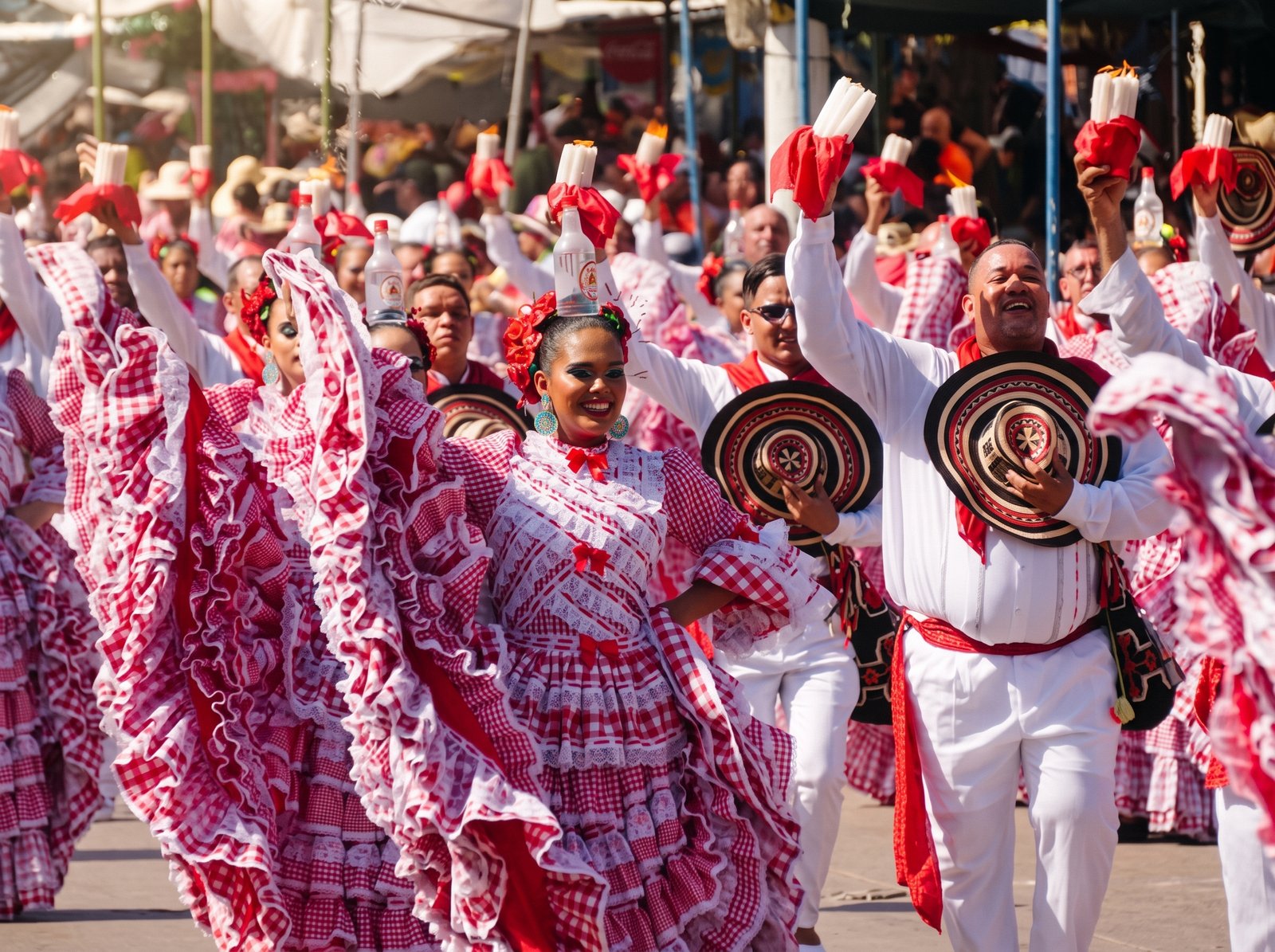
1. The Tri-Ethnic Melting Pot: Native, African & European
Barranquilla occupies a unique geographic position at the mouth where Colombia's greatest artery, the Magdalena River, empties into the Caribbean Sea. Over centuries of colonial history, three distinct civilizations collided, resisted, and ultimately merged their traditions here:
- Indigenous Roots: Native tribes (Mocaná, Zenú, Tairona) celebrated agricultural cycles and harvest rituals with hypnotic dual-flute melodies (gaitas), dried maracas, and circular footwork that honors Mother Earth.
- African Enslaved Heritage: Brought to the coast through Cartagena’s slave port, African communities preserved their spiritual resistance through sacred drumming, fierce pantomime war dances (the Danza del Congo), and the explosive, high-energy courtship stomping of the Mapalé.
- Spanish & European Traditions: Spanish colonizers introduced pre-Lenten carnival traditions, carnival royalty (Queens and King Momo), and satirical theater costumes lampooning the aristocracy.
2. The Sunday Tradition: Gran Parada de Tradición
While Saturday’s Batalla de Flores (Battle of Flowers) is glamorous with towering commercial floats and celebrities, the true soul of UNESCO heritage happens on Sunday during the Gran Parada de Tradición.
On this day, commercial floats and recorded speaker trucks are strictly banned. The entire four-kilometer parade route along Vía 40 is surrendered exclusively to traditional folk troupes (*comparsas de tradición*), cumbia circles (*cumbiambas*), and ancestral drum ensembles. Grandmothers, grandchildren, and master artisans dance in synchronized reverence to ancestral rhythms that have survived intact since the 18th century.
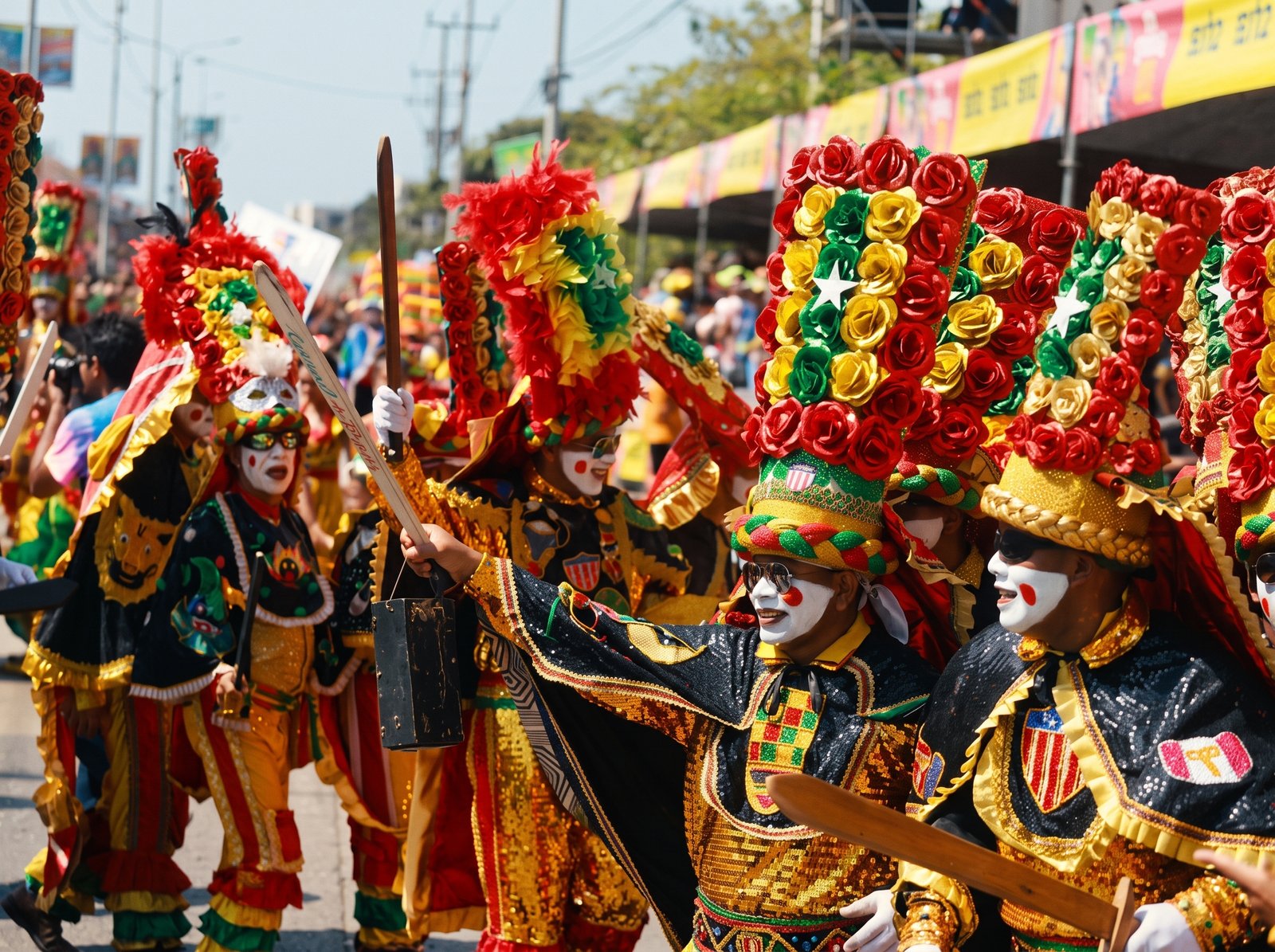
3. Sacred Characters & Their Hidden Meanings
Every iconic costume you see in Barranquilla tells a historical story of rebellion and wit:
- The Marimonda: The only costume born 100% in Barranquilla. Featuring an elephantine nose, oversized donkey ears, suit jacket worn backwards, and a comical necktie, it was invented by impoverished working-class residents to mock high-society politicians and snobbish bureaucrats.
- The Congo Warrior: Tracing lineage back to African warrior brotherhoods along the Congo basin. Men wear tall turbans adorned with artificial flowers and colorful ribbons, carrying carved wooden daggers, accompanied by protective symbolic animals (lions, tigers, bulls).
- The Monocuco: A hooded satin domino gown with a velvet mask originally used in the 19th century by wealthy elites seeking to disguise their identity so they could party freely alongside the working classes without social judgment.
4. Why UNESCO Inscribed Barranquilla
UNESCO protects intangible heritage that is endangered by commercial globalization. In Barranquilla, carnival is not staged for tourists; it is a community-owned civic phenomenon passed down generation after generation in neighborhood courtyards across Barrio Abajo, Rebolo, and San Roque. Experiencing this celebration with a certified local guide unlocks profound appreciation for the resiliency, pride, and artistic genius of the Colombian people.
Experience Authentic Living Heritage
Book with Pamar Travel for private cultural tours, guided visits to the Carnival Museum, and VIP parade seating with verified historical commentary.
Explore Our Cultural 2027 Packages