One of the most delightful cultural surprises awaiting international travelers in Barranquilla is sitting down at a traditional coastal restaurant and discovering that alongside plantain tostones, fresh ceviche, and fried fish, locals are passionately devouring plates of crispy kibbeh (quibbes), warm pita bread with tahini, and spiced stuffed grape leaves.
How did Middle Eastern gastronomy become a beloved staple of coastal Colombian identity? The answer lies in one of the most successful, harmonious immigration sagas in modern South American history.

1. The 19th-Century Influx from the Levant
Between 1880 and 1930, thousands of immigrants from Lebanon, Syria, and Palestine—then under Ottoman Turkish rule—boarded transatlantic steamships seeking freedom, peace, and commercial opportunity. Arriving with Ottoman identification papers, they were colloquially labeled "Los Turcos" by locals, though the vast majority were Christian Lebanese and Syrian families.
While Bogotá and other interior mountain cities were historically conservative and insular, Barranquilla—as Colombia’s booming, progressive river port—welcomed these immigrants with open arms. The new arrivals integrated quickly, learning Spanish, establishing textile factories, building grand neoclassical banks, and forever enriching local commerce.
2. The Arab-Caribbean Culinary Marriage
Immigrant families longed for the comfort flavors of the Mediterranean Levant. Over generations, Levantine recipes merged seamlessly with tropical coastal Colombian ingredients:
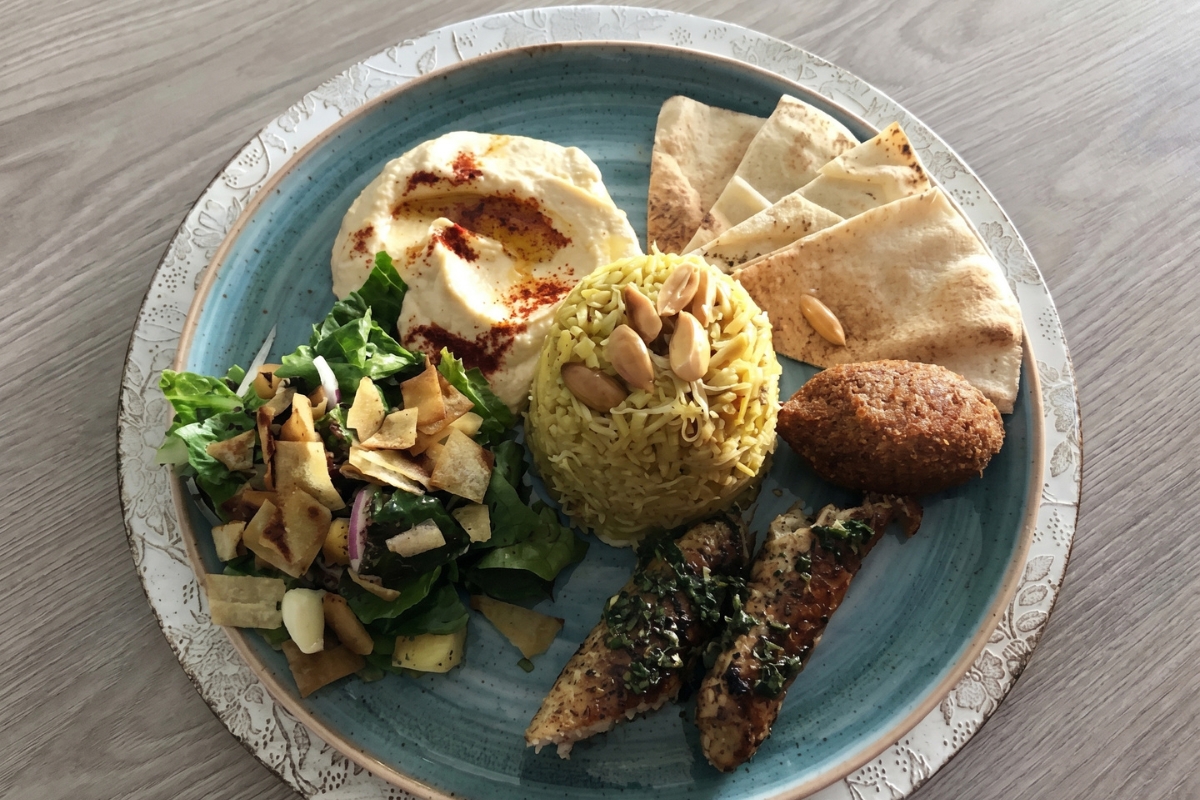
- El Quibbe (Kibbeh): In Barranquilla, the quibbe is as ubiquitous as the arepa. Ground beef or lamb is mixed with cracked bulgur wheat, fresh mint, and warm spices, shaped into an oval football, and deep-fried until dark brown and crispy. Eaten with a squeeze of fresh lime and spicy local pepper relish.
- Arroz de Almendras (Almond Rice): Fragrant caramelized rice cooked with toasted shaved almonds, shredded chicken, and ground beef, seasoned with cinnamon and allspice. It is the mandatory centerpiece at wedding feasts, Christmas dinners, and carnival banquets across the city.
- Envueltos de Parra y Repollo: Stuffed grape leaf rolls and cabbage parcels packed with seasoned rice, ground beef, and fragrant olive oil.
3. Where to Taste the Best Arab-Colombian Flavors Today
Barranquilla boasts some of the finest Middle Eastern dining establishments in the entire Western Hemisphere:
| Restaurant / Venue | District | Signature Dish |
|---|---|---|
| Restaurante El Beyrouth | Alto Prado | Traditional Lebanese banquet platters, creamy hummus, freshly baked flatbread. |
| Club Campestre & Club Árabe | North Zone | Historic institutional dining celebrating multigenerational Arab heritage recipes. |
| Cucayo | Carrera 49C | Brilliant coastal fusion combining traditional Colombian comfort food with Levantine touches. |
| Local Delis (Panadería la Baguette / Delicatessen) | Across North Zone | Grab-and-go crispy quibbes, fatayer meat pies, and tahini dipping sauce. |
4. Prominent Cultural Impact
The Syrian-Lebanese influence in Barranquilla stretches far beyond the kitchen table. Global pop superstar Shakira (Shakira Isabel Mebarak Ripoll) proudly celebrates her Lebanese heritage through her iconic Middle Eastern belly-dancing choreography and Arabic-infused melodies. Prominent business titans, mayors, senators, and cultural patrons across the city proudly trace their roots back to the Levant.
When you book private culinary tours with Pamar Travel, our bilingual food guides take you on a sensory safari through Barranquilla’s hidden immigrant bakeries, spice delis, and heritage restaurants.
Taste the Unique Flavors of Barranquilla
Book our private Culinary & Heritage City Tour and discover why Barranquilla's food scene is celebrated worldwide.
Inquire About Culinary Tours