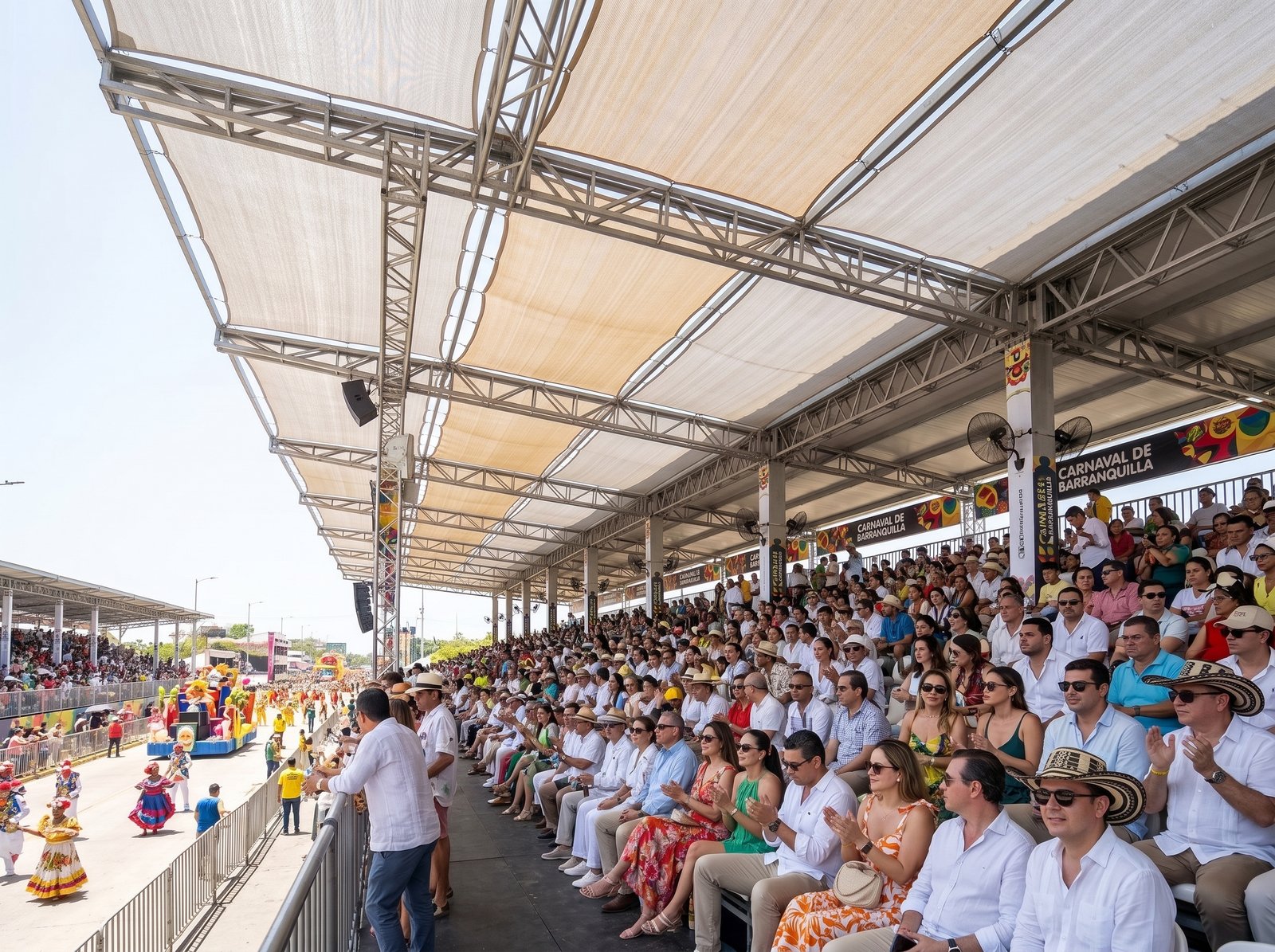
In 2003, UNESCO officially designated the Barranquilla Carnival as a Masterpiece of the Oral and Intangible Heritage of Humanity. This distinguished recognition was not awarded for modern floats or commercial stadium concerts, but for the profound anthropological richness of its living ancestral dance traditions. Within these dances survive centuries of African resilience, sacred Indigenous river rituals, and satirical mockery of Spanish colonial rulers. Learning to recognize these five foundational dances will transform your appreciation of the Great Tradition Parade.
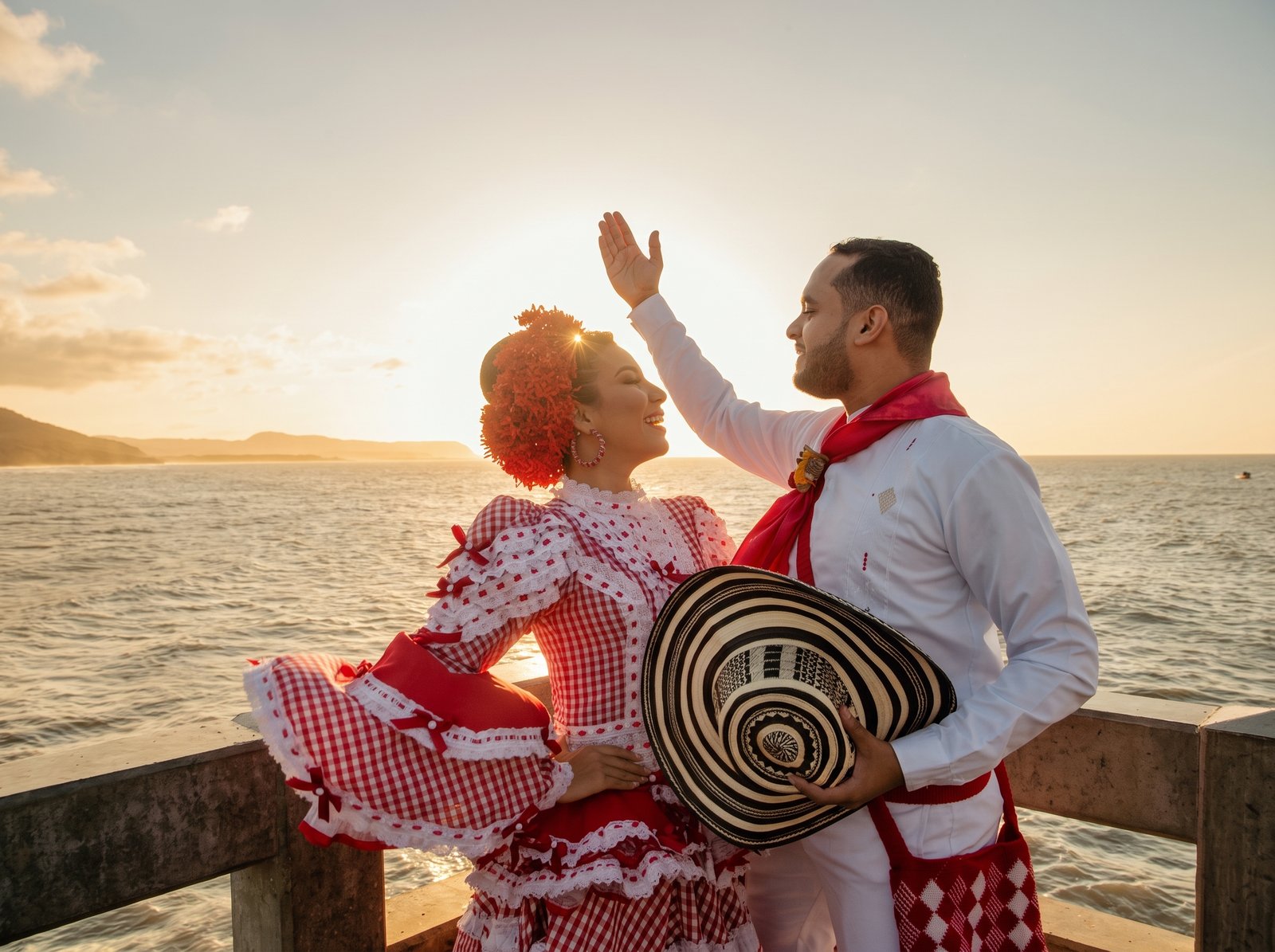
1. La Cumbia: The Royal Courtship & Mother of Caribbean Rhythms
The Cumbia is the supreme artistic embodiment of Colombian cultural syncretism. It re-enacts the dignified courtship between enslaved African men and Indigenous women along the banks of the Magdalena River:
- The Movement: The woman dances with delicate, gliding steps, keeping her bare feet close to the ground (symbolizing colonial shackles), while holding aloft a bundle of burning wax candles and waving her wide flowing pollera skirt. The man dances in respectful circles around her, removing his Sombrero Vueltiao in veneration without ever physically touching the dancer.
- The Instruments: Cane millo flute (imitating coastal birds), alegre drum, llamador drum, tambora bass drum, and seed-filled guache shakers.
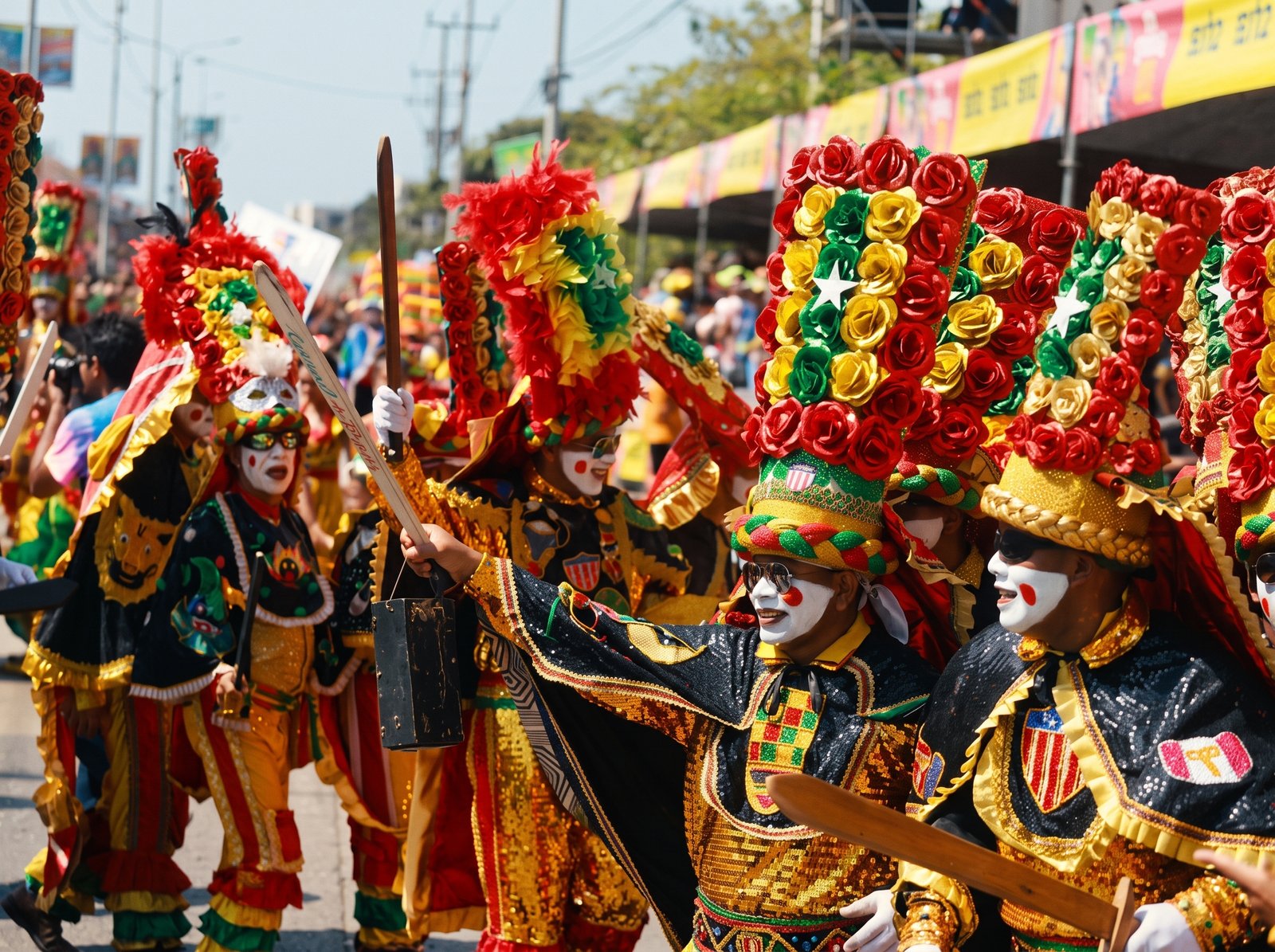
2. La Danza del Congo: The Warrior Footprint of Africa
The Congo is the oldest guild in Carnival, with historic dynasties boasting over 145 years of unbroken lineage, such as Congo Grande (1875) and El Torito Ribeño (1878):
- The Origins: Re-enacts the ceremonial warrior councils of enslaved brotherhoods from Congo and Angola, organized with generals, captains, and flagbearers.
- Sacred Headdress: The most spectacular element is the towering cylindrical turbante, standing nearly two feet tall, enveloped in colorful artificial paper flowers, reflective mirrors (used historically to reflect sun into opponents' eyes), and cascading ribbons.
- Accompaniment: Hand-carved wooden masks of raging bulls, jaguars, and gorillas, marching to rhythmic wooden machete strikes.
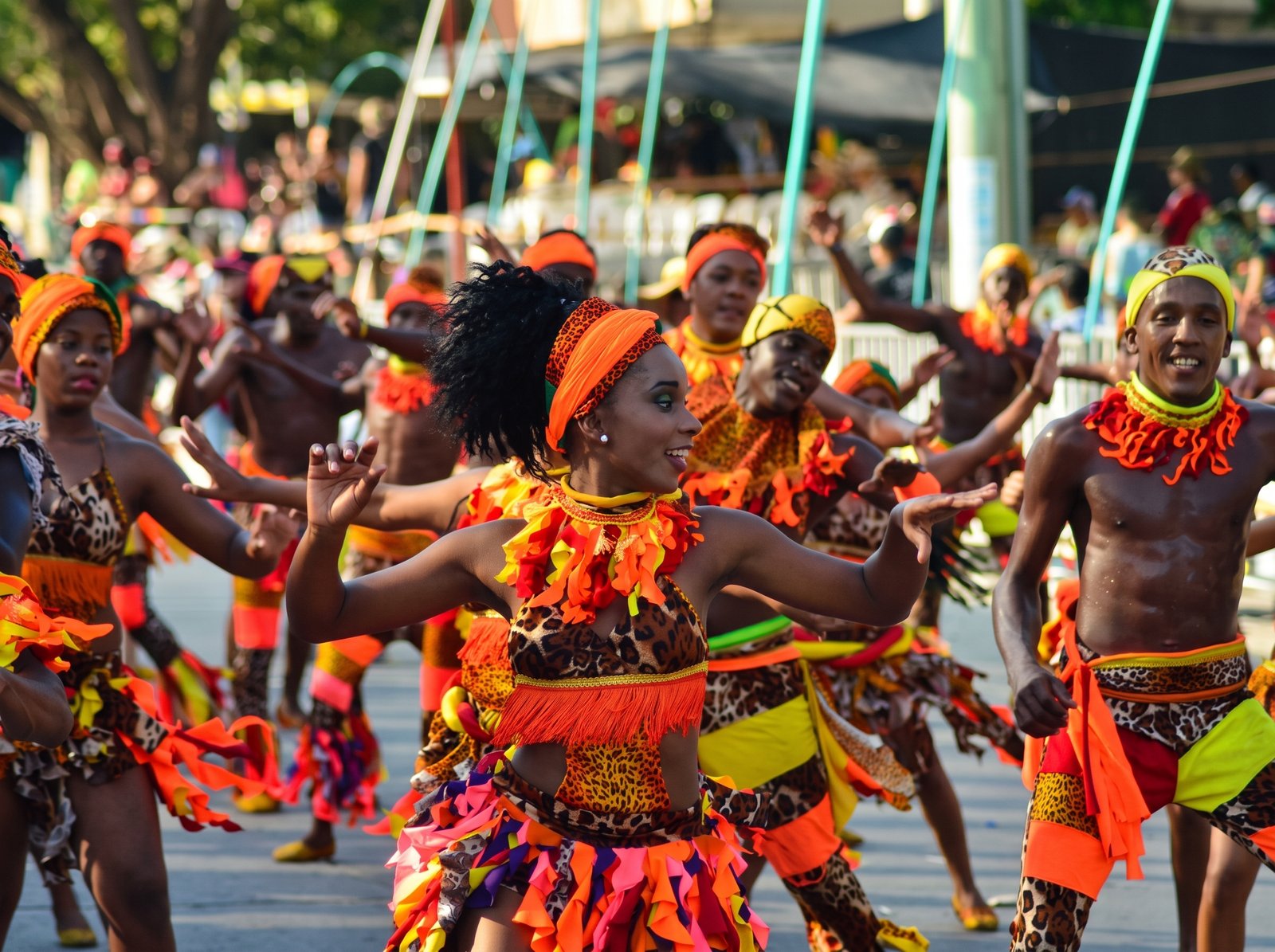
3. El Mapalé: The High-Speed Frenzy of Fishermen
The Mapalé is an explosive display of athletic speed, sensuality, and acrobatic vigor rooted in Afro-Colombian coastal fishing culture:
- The Meaning: Born on Caribbean beaches at the conclusion of nighttime net fishing, it mimics the rapid, desperate leaping convulsions of the mapalé fish out of the water onto the sand.
- The Dance: Furious hip rotations, acrobatic backbends, and high-energy leaps driven by the thunderous rapid-fire beat of the tambor alegre drum and female call-and-response chants.
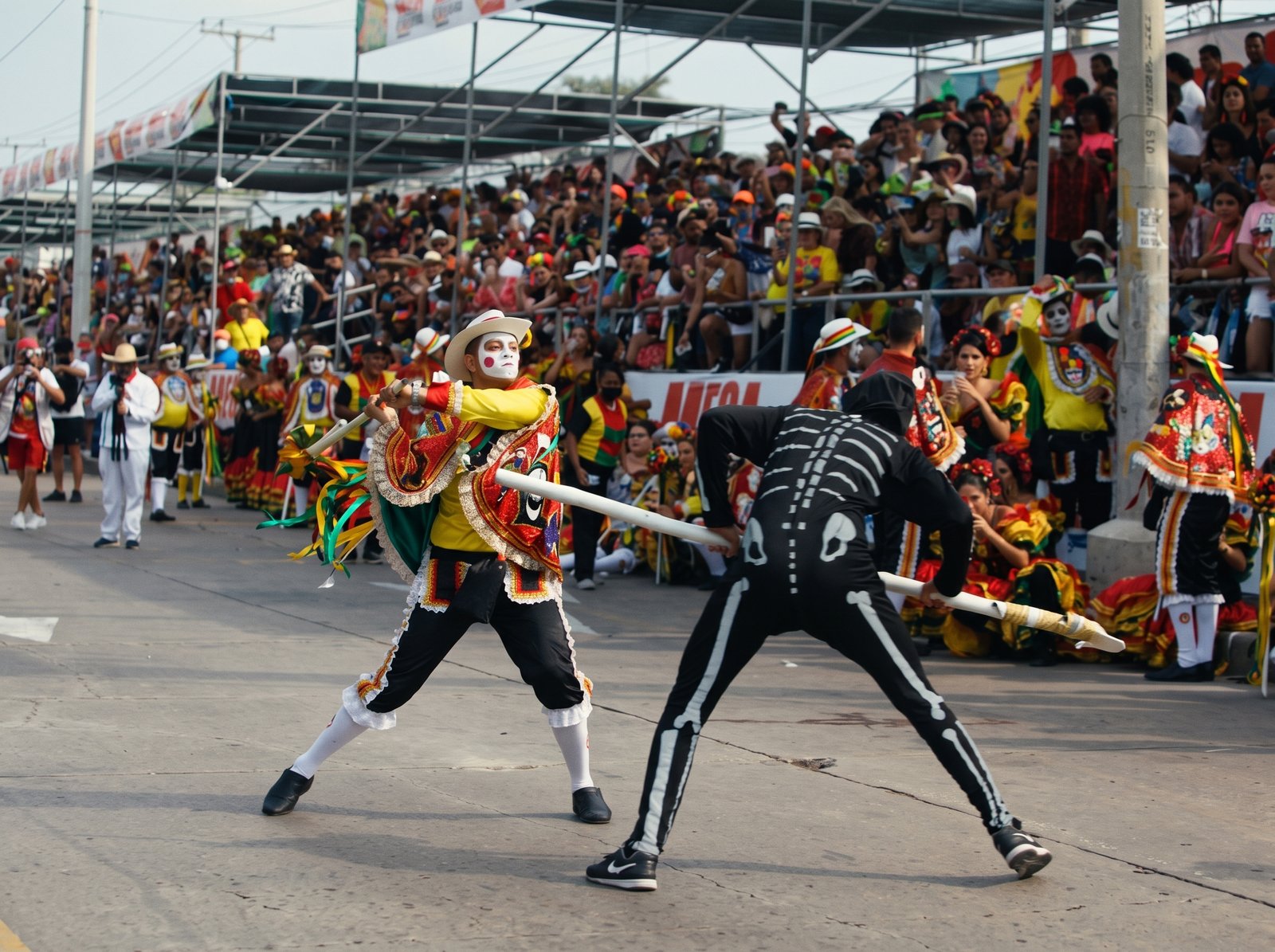
4. La Danza del Garabato: The Eternal Duel between Life & Death
One of the most theatrical allegories in Caribbean folklore. It dramatizes the perpetual struggle between joyful human vitality and inevitable Death:
- The Symbol: The garabato is a hooked wooden cane historically used by peasants to clear brush. In the dance, performers use this ribbon-adorned staff to battle against Death.
- The Climax: A costumed skeleton figure wielding a scythe attacks the dancers, causing them to collapse one by one. In the finale, the King and Queen of the dance magically revive the fallen, celebrating that the Joy of Carnival conquers Death.
5. El Son de Negro: Maroons' Satirical Defiance
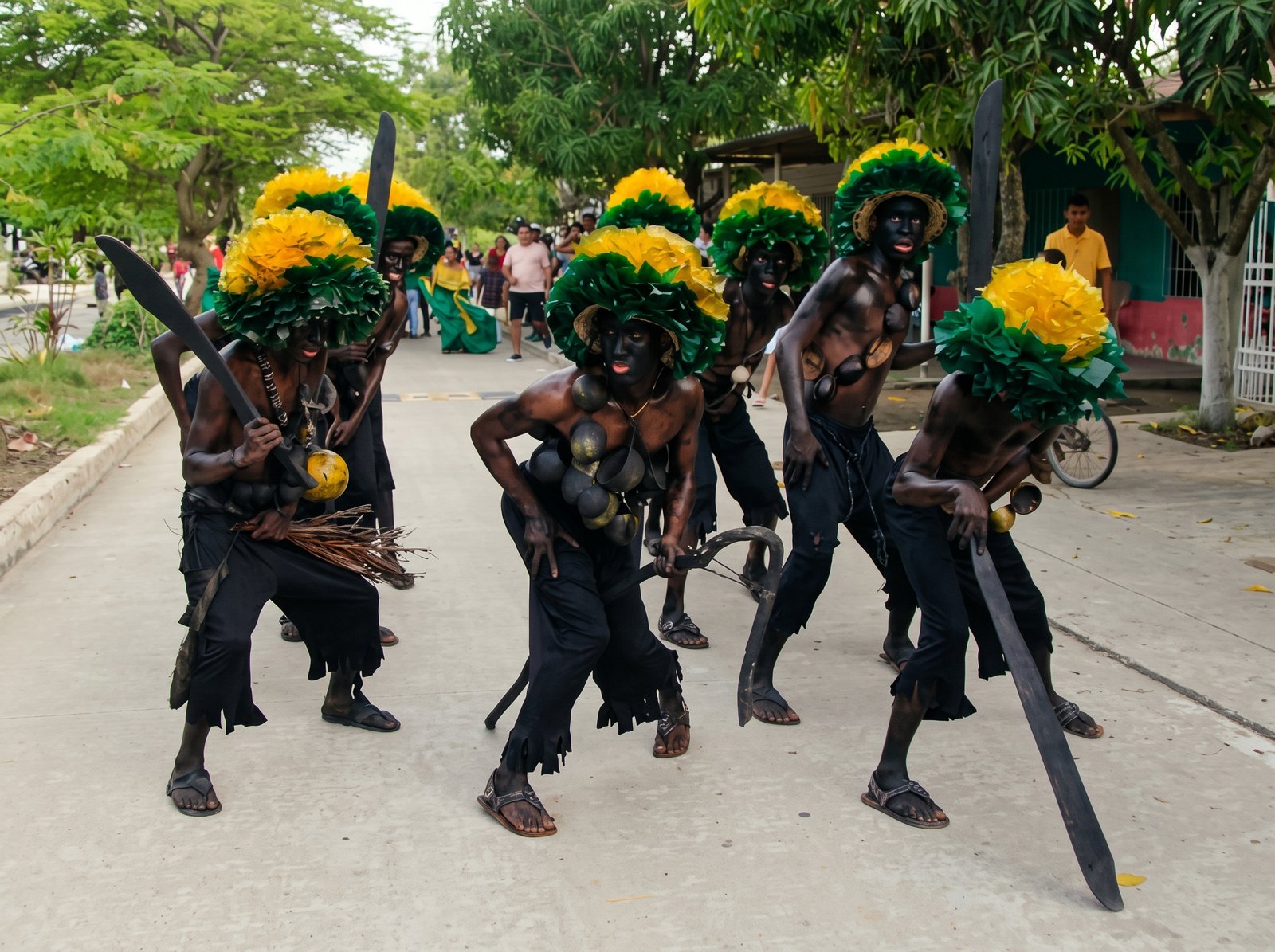
Originating in the riverside communities along the Canal del Dique:
- The Aesthetics: Male dancers coat their entire bodies in a glistening black mixture of crushed vegetal charcoal and oil, wearing rolled-up work trousers and straw hats decorated with bright crepe paper flowers.
- The Mockery: With wide-open eyes, dancers stick their bright red tongues out and make exaggerated, hilarious grimaces to the beat of wooden clapping tablets, recalling how escaped maroons mockingly mimicked their colonial oppressors behind their backs.
Experience Living Folklore with Cultural Hosts
On our Carnival History Tour, you visit traditional dance headquarters, interact with master directors, and discover the true cultural soul of UNESCO heritage.
Explore Carnival History Tour