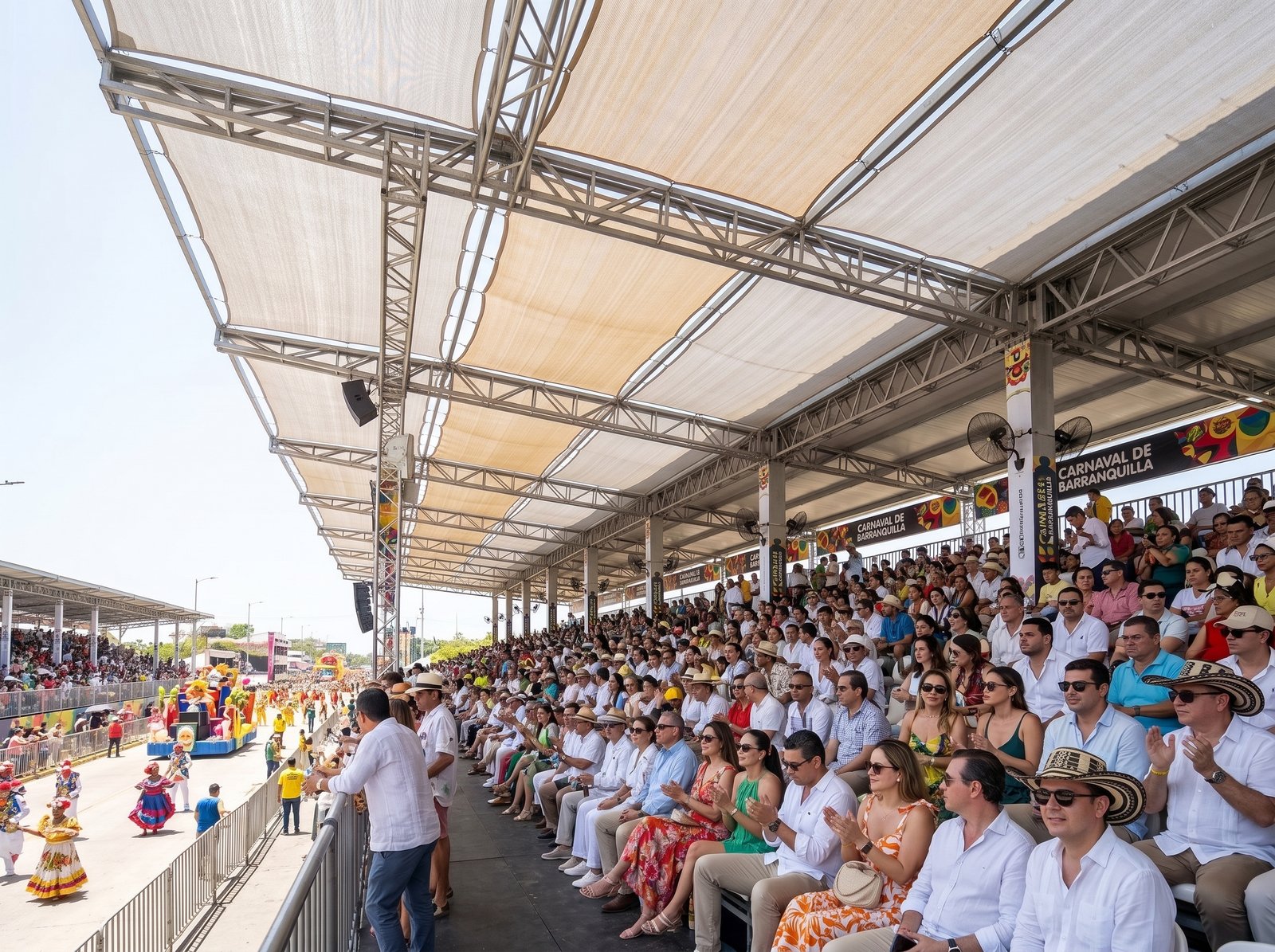
Music is not merely entertainment on Colombia’s Caribbean coast—it is the air people breathe, their historical memory, and their universal language of joy. As an international traveler stepping into Barranquilla, you will immediately be swept up in a sonic tapestry unlike anywhere else in Latin America.
To the untrained ear, it might all sound like "Latin music." But behind every song lies a distinct cultural tradition born from indigenous flutes, African polyrhythms, European accordions, and Caribbean sound system culture. Here is your beginner's decoder ring to the four dominant genres of northern Colombia.
1. Cumbia: The Royal Courtship Dance of Colombia
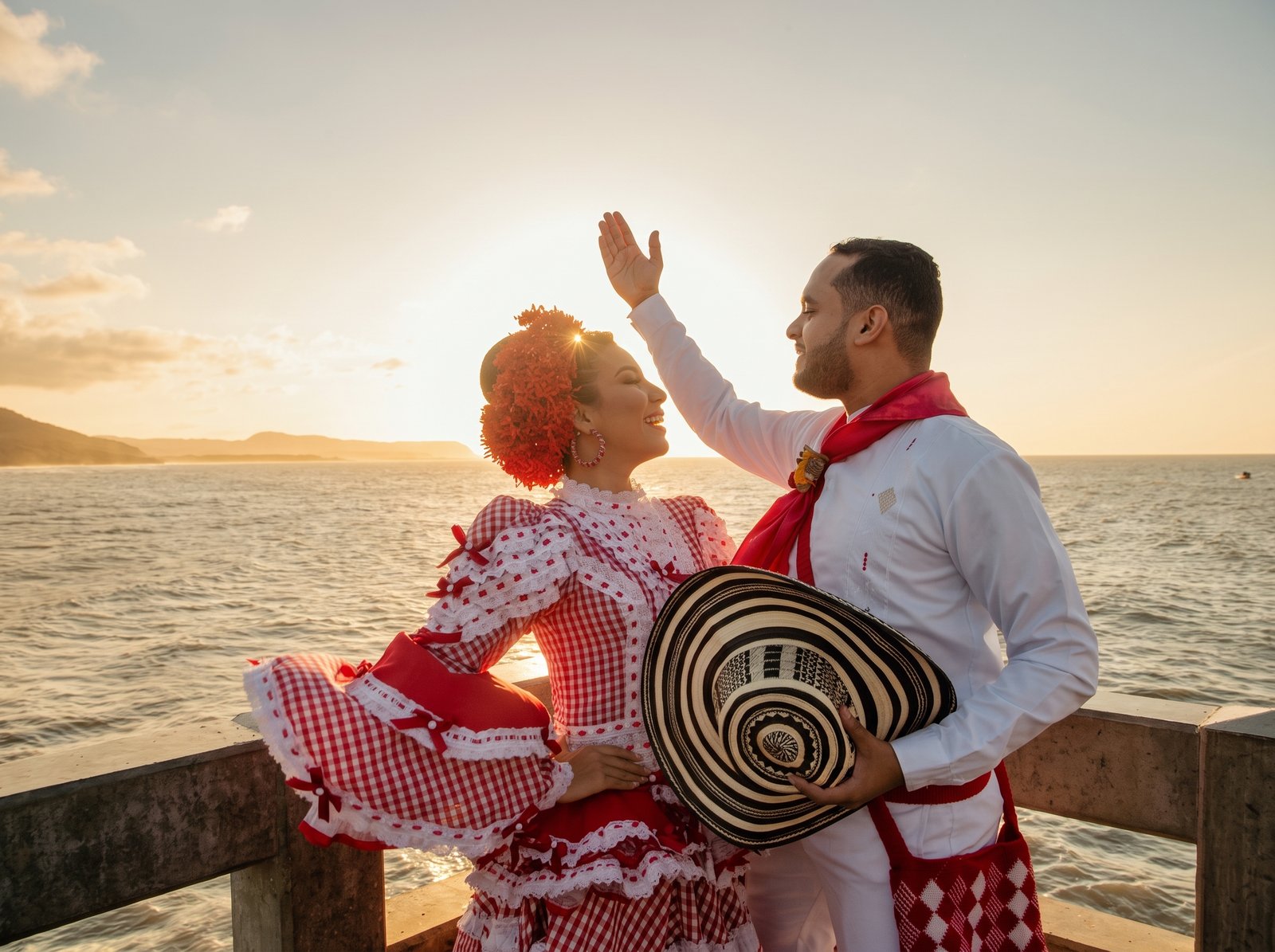
Widely considered Colombia's national musical identity, Cumbia was born along the banks of the lower Magdalena River. It represents the sacred romantic courtship between African men and Indigenous women during the colonial era:
- The Instrumentation: Melodic dual indigenous flutes made from cactus wood (gaitas), accompanied by a wooden African hollow log drum (tambor alegre) and indigenous seed maracas.
- The Visual Magic: Women dance in sweeping, voluminous white ruffled skirts (polleras), gracefully gliding with their feet never leaving the ground (symbolizing the shackles worn by enslaved ancestors), holding a bundle of glowing lit candles in their right hand to keep enthusiastic male suitors at a polite distance.
2. Vallenato: The Storytelling Soul of the Accordion
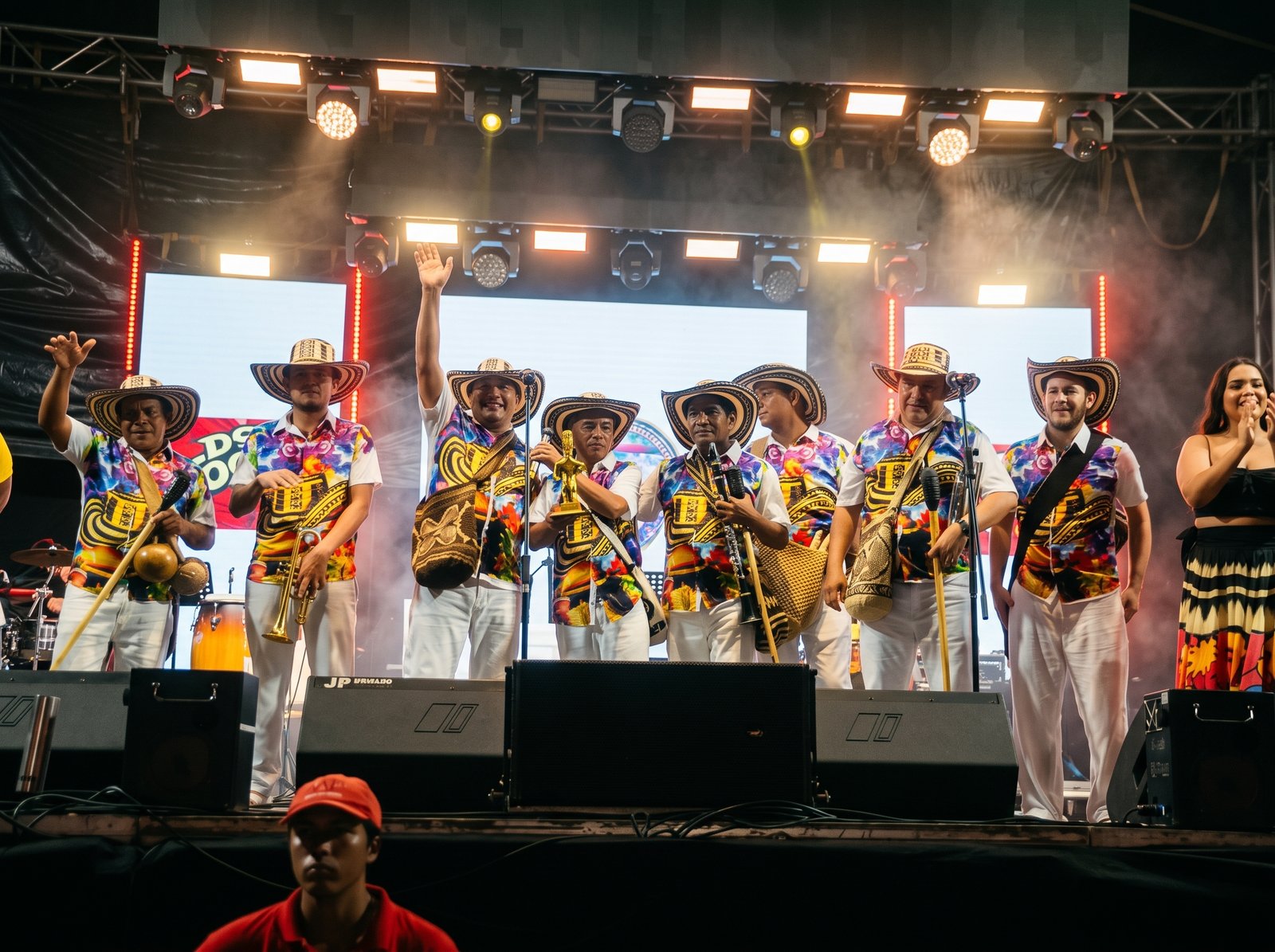
Inscribed by UNESCO as Intangible Cultural Heritage, Vallenato originated in the nearby Valledupar valley. Historically, wandering minstrels traveled between cattle ranches singing the daily news, gossip, and epic love poetry to the melody of German-imported accordions:
- The Sacred Trio: European diatonic button accordion, African hollow drum (caja), and indigenous notched cane scraper (guacharaca).
- The Mood: Heartfelt, poetic, romantic, and deeply emotional. Listen to legendary songs by Diomedes Díaz, Carlos Vives, or Silvestre Dangond to understand the coastal soul.
3. Champeta: The Afro-Colombian Street Phenomenon
Born in the working-class Afro-descendant neighborhoods of Cartagena and Barranquilla during the 1970s, Champeta was sparked when sailors brought vinyl records of West African Soukous, Highlife, and Congolese Rumba into coastal ports:
- The Sound System Culture (Picós): Played through colossal, hand-painted mobile sound system towers called Picós that blast bass-heavy rhythms through open-air street parties (*verbenas*).
- The Dance: Fast-paced, acrobatic, energetic footwork and synchronized hip movements that became globally viral when Shakira showcased Champeta during her 2020 Super Bowl Halftime performance!
4. Salsa: The Afro-Antillean Passion of Barranquilla
While Cali is known as the "Salsa Capital" for fast acrobatic footwork, Barranquilla is celebrated as the Soul & Vinyl Capital of Classic Salsa. Because Barranquilla was Colombia's premier maritime port, merchant sailors unloaded classic 1960s and 70s vinyl records from New York’s Fania All-Stars, Puerto Rico, and Cuba:
- Where to Experience It: An evening at La Troja (Calle 74 with Carrera 44)—declared Cultural Heritage of the city—is mandatory. There is no stage or cover charge; thousands dance under the stars to original vinyl tracks by Héctor Lavoe, Celia Cruz, and Richie Ray.
Feel the Rhythms Live in Concert
Our packages include VIP tickets to the Festival de Orquestas and the legendary open-air mega-concert Moys a la Calle.
Book Packages with Concert Tickets