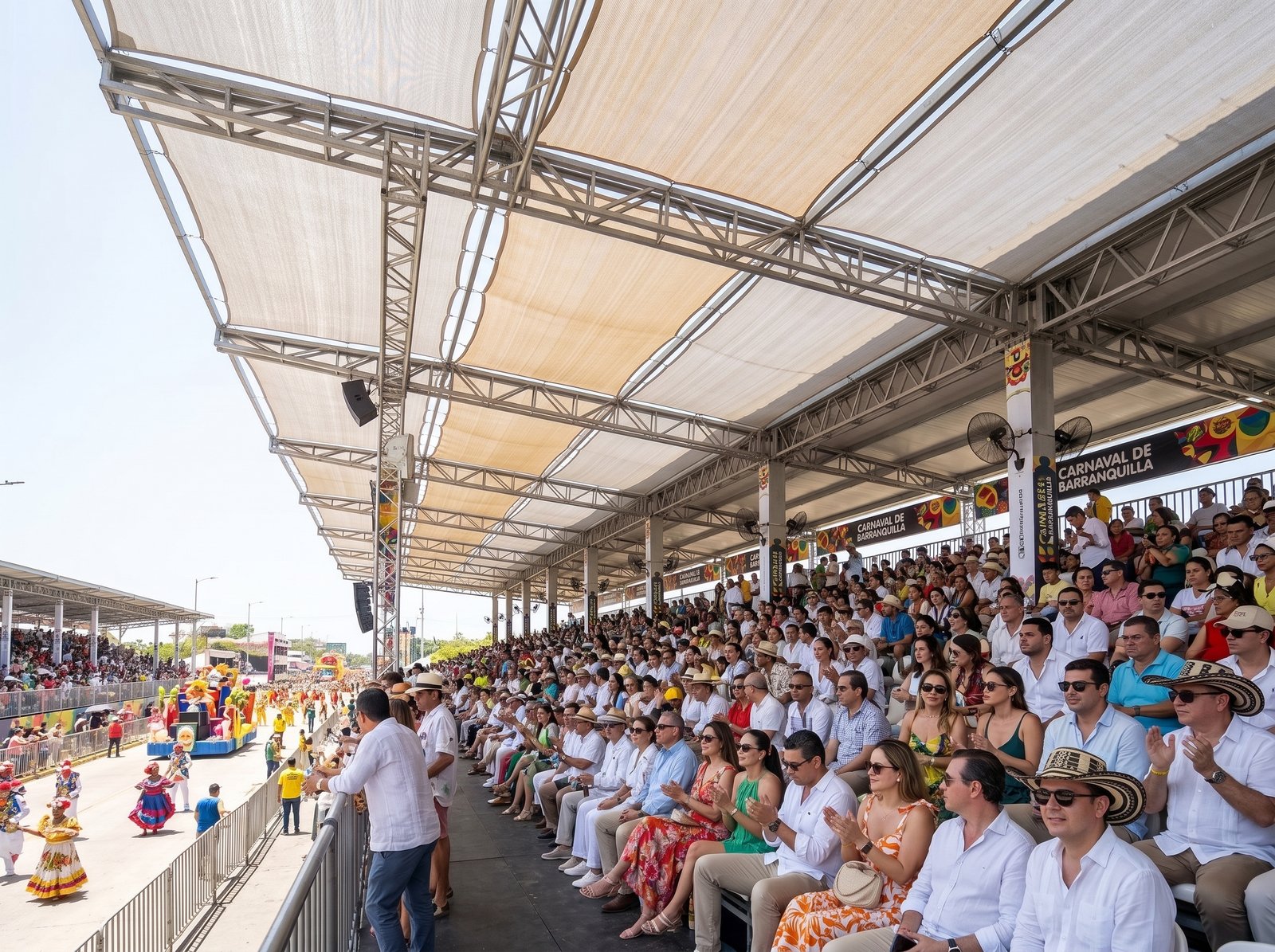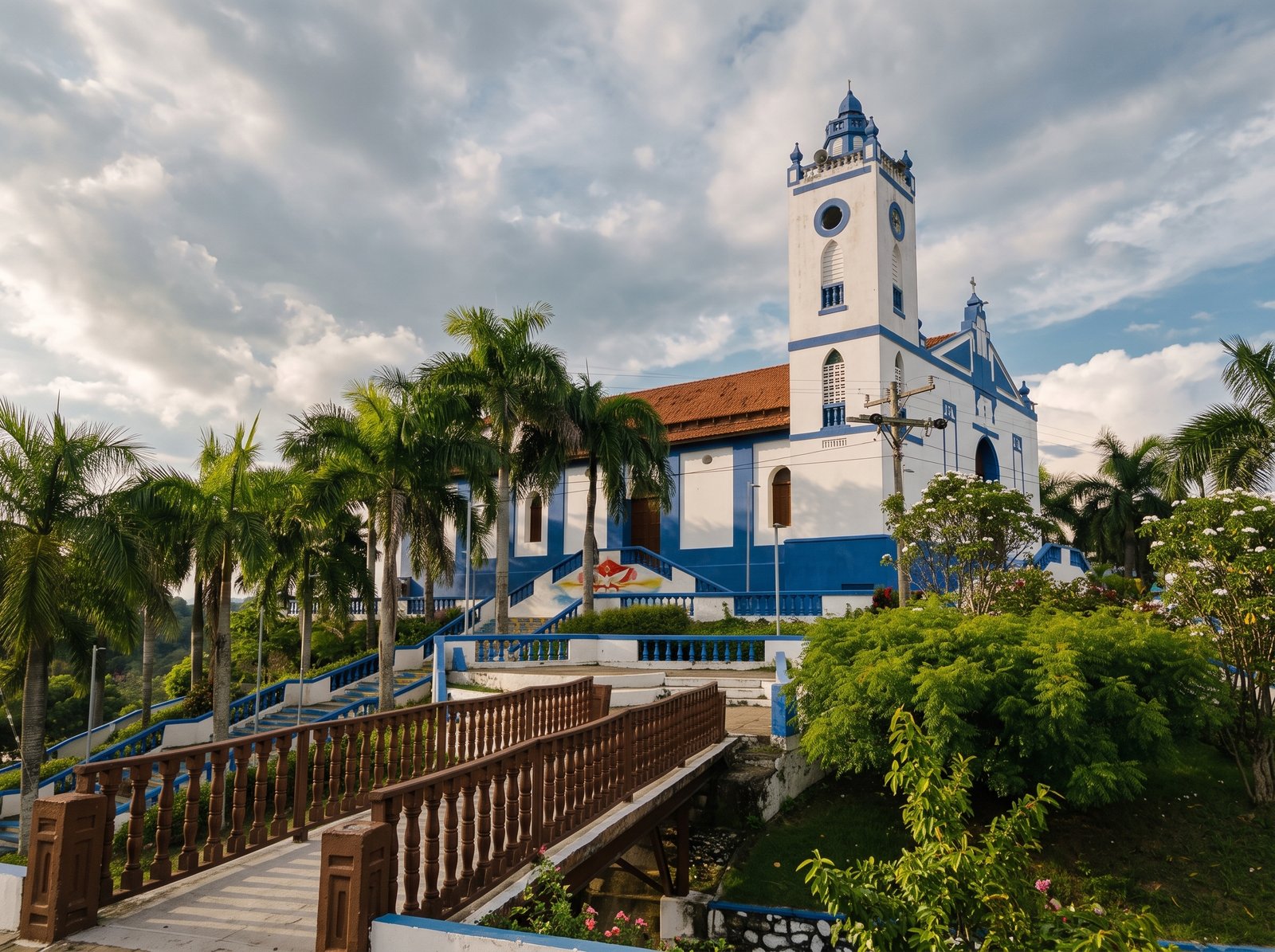
Mass tourism frequently confines international travelers within the borders of Colombia's major metropolitan capitals, denying them the rich tapestry of history, pre-Columbian archaeology, and scenic coastal landscapes preserved in neighboring municipalities. Less than an hour's drive from Barranquilla's financial district, the department of Atlántico unfolds a collection of authentic enclaves that tell the story of the nation's maritime trade, safeguard ancestral indigenous crafts, and showcase surprising topography. Integrating these heritage routes into your vacation itinerary not only enriches your cultural horizons, but also supports sustainable, community-based tourism across local coastal towns.

1. Puerto Colombia: Maritime History & Salgar Castle
The first mandatory stop along the coastal heritage route is Puerto Colombia, the seaside town that served as Colombia's premier international seaport between the late 19th and early 20th centuries. While the historic pier remains an evocative monument of maritime heritage, the highlight stands proudly atop a scenic coastal cliff: San Antonio de Salgar Castle. This meticulously restored 17th-century Spanish colonial fortress now operates as a cultural and events pavilion. Its dramatic panoramic stone terraces offer what is universally recognized as the most breathtaking sunset view over the Caribbean Sea in northern Colombia.

2. Tubará: Indigenous Heritage & 360-Degree Mountain Viewpoints
Winding up into the lush hills of the coastal interior, the topography and climate offer a refreshing contrast in Tubará, a town deeply anchored in the ancient traditions of the Mocaná indigenous culture. The newly constructed Parque Mirador de Tubará is a masterpiece of landscape architecture. Standing at this strategic elevation rewards visitors with an uninterrupted 360-degree panorama, framing tropical dry forests on one side and the deep azure Caribbean horizon on the other.

3. Galapa: The Master Carvers of Carnival Masks & MUGA Museum
To understand the exquisite craftsmanship that drives the visual splendor of the Barranquilla Carnival, an excursion to Galapa is essential. In this artistic hamlet, residential streets double as open workshops where master woodcarvers shape red cedar wood and mold papier-mâché into the iconic zoomorphic masks of fierce bulls, jaguars, and congo warriors. Galapa is also home to the MUGA Museum (Museo Arqueológico de Galapa), which preserves an extraordinary collection of over 5,000 archaeological artifacts from the Tairona, Zenú, and Mocaná civilizations, establishing an unbroken cultural continuum from pre-Hispanic Colombia to modern folk art.

4. Juan de Acosta: Watersports, Windsurfing & Santa Verónica Beach
Further west along the shoreline sits Juan de Acosta, world-famous among windsurfers and kiteboarders for its idyllic Santa Verónica beach. Blessed by constant trade winds and expansive sandy beaches, it also boasts relaxed beachfront open-air restaurants that serve fresh red snapper and lobster cooked over woodfires.
5. Luruaco: The Cradle of the Egg Arepa
On the southern fringe of Atlántico, flanking an expansive freshwater lagoon, lies Luruaco. This historic settlement has earned international culinary acclaim as the birthplace of the legendary arepa de huevo. Every year, master local culinary matrons showcase their secrets, allowing travelers to taste this golden Colombian delicacy directly from its ancestral source.

Navigating secondary roads across rural Atlántico while coordinating visits with master artisan workshops, private museums, and culinary stops requires logistical precision beyond standard ride-hailing apps. Booking curated private day excursions through licensed inbound operators like Pamar Travel guarantees modern air-conditioned transport, optimized scenic routes, and certified bilingual local guides who elevate a day trip into a world-class cultural expedition.